
Guide to ecryptobit.com Wallets: Secure Crypto Storage
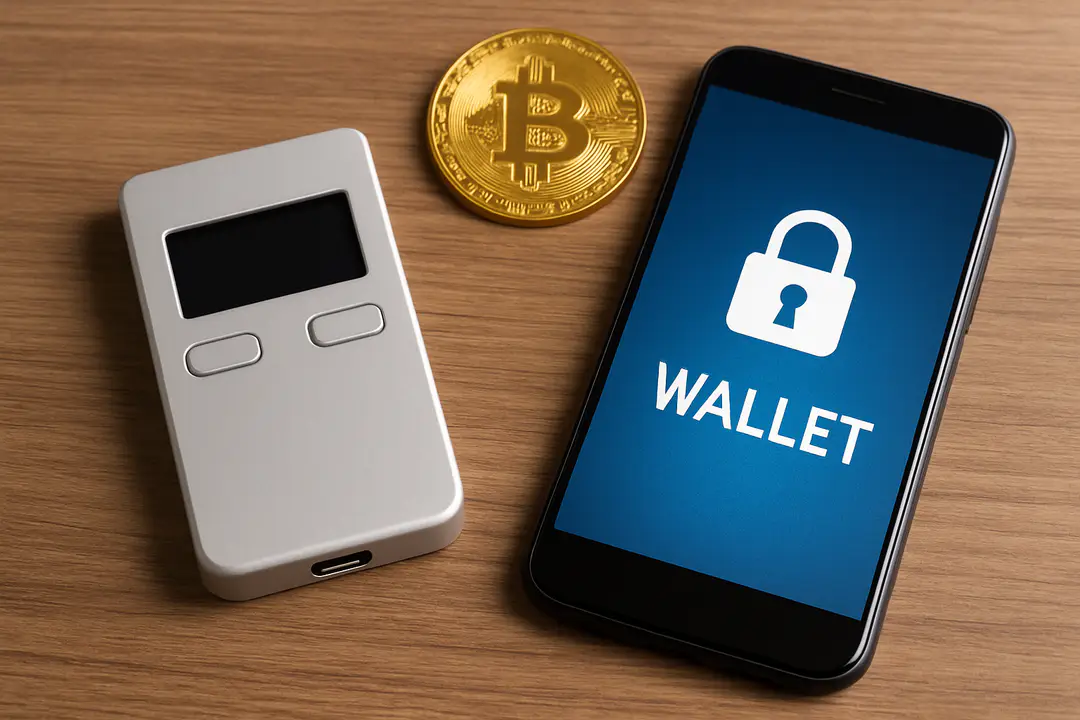
Talking about crypto wallets often feels routine: they store your digital coins, right? Yet many overlook one critical component—how to recover access if a device fails or you forget a password. That small detail can mean the difference between seamless access and permanent loss of funds. So how do you ensure your backup and recovery plan truly keeps you safe?
The answer lies in understanding the recovery options and best practices that ecryptobit.com wallets offer. By mastering these features, you’ll protect yourself from nasty surprises, make informed choices, and sleep easier knowing your assets are recoverable when you need them.
Wallet Choice
Selecting the right wallet is the foundation of each crypto journey. ecryptobit.com offers several wallet versions, from simple browser-based options to more advanced desktop editions. A basic web wallet solves quick trades or checks, while a desktop client often provides more features like multiple account management and offline signing.
Consider your daily needs. If you trade small amounts often, a quick-access web wallet is fine. If you hold large sums long term, a desktop or hardware-linked option makes sense. Factor in ease of use, support channels, and update frequency. ecryptobit.com regularly patches vulnerabilities, but only if you choose the updated client.
Practical tip: map out how often you’ll access the wallet. Use the web edition for fast trades and the desktop client for monthly reviews. This hybrid approach balances convenience and control without exposing all your funds to online risk.
Wallet Types
Understanding wallet categories helps you decide where to keep your crypto. Broadly, wallets fall into hot (connected) and cold (offline) groups. ecryptobit.com supports both, giving you options that match your security tolerance and usage habits.
| Type | Main Feature | Best For |
|---|---|---|
| Web Wallet | Instant access via browser | Frequent small trades |
| Desktop Wallet | Local storage with encryption | Regular users who download updates |
| Hardware Wallet | Offline key storage | Long-term holding of large assets |
| Paper Wallet | Printed keys QR-coded | Single-use cold storage |
Comparing types makes your choice clear. A paper or hardware wallet keeps keys off the internet but requires careful physical storage. A web or desktop option is more convenient but needs strong passwords and backups. Blend these based on your activity level.
Setup Process
Getting started with an ecryptobit wallet is straightforward. First, choose the wallet version that fits your routine. Next, download or access it online, then follow the on-screen prompts to create a new account.
Here’s a quick step-by-step:
- Visit the wallet page on ecryptobit.com
- Select your desired platform (web or desktop)
- Enter a strong password and confirm
- Write down or securely store the recovery phrase
- Verify the phrase as prompted
- Log in and enable two-factor authentication
Practical tip: never skip verifying the recovery phrase immediately. It saves you headaches later. For broader investment planning, pairing your wallet steps with solid investment planning can help align crypto moves with overall budget goals.
Security Tips
Security goes beyond passwords. Protect your wallet with multiple layers. First, enable two-factor authentication so logins require a second device. Next, encrypt your desktop files to hide wallet data.
Always update software promptly. Developers release patches for vulnerabilities, and outdated versions can leave you exposed. Regularly check the official ecryptobit.com site for alerts or advisories.
Backing up your recovery phrase offline is crucial. Store it in a safe or use a fireproof box. Consider splitting the phrase across two secure locations to guard against theft or loss. Avoid digital copies—screenshots or cloud notes can be hacked.
Managing Assets
Once your wallet is set up, you’ll want to move coins in and out with ease. ecryptobit.com supports direct transfers to popular exchanges and peer-to-peer trades. Ensure you double-check addresses when sending funds to avoid mistypes and lost assets.
To diversify, many users mix crypto holdings with traditional investments. You can track ETF market trends via reliable resources like ETF market trends. At the same time, keeping an eye on real-time token values helps you act swiftly. Check reliable crypto market updates before large trades to avoid price swings.
Practical tip: set price alerts for key tokens so you don’t miss buying or selling opportunities. A small push notification can save you hundreds in market volatility.
Troubleshooting Issues
Even with best practices, issues can occur. Forgot your password? Use the recovery phrase to reset access. If a wallet file gets corrupted, restoring from a backup usually solves it.
Stuck on a transaction pending for hours? Check network congestion on the blockchain explorer. A small fee bump often speeds things up. ecryptobit.com lets you adjust fees before confirming.
Lost internet access during setup? Switch to offline modes or mobile hotspots temporarily. Always test small transactions first to verify everything works.
For persistent errors, contact support with clear screenshots and steps you took. Keeping a simple troubleshooting log can speed up their response.
Conclusion
Your choice of wallet and how you set it up directly impacts your crypto safety. By picking the right type, mastering recovery methods, and following security tips, you build a strong defense against loss and theft. Integrating your wallet into a broader asset strategy—mixing tokens with ETFs or stocks—gives you balance and peace of mind.
Remember, the tools at ecryptobit.com are only as effective as your habits. Regular updates, secure backups, and smart transaction checks keep you ahead of risk. Now that you know the key steps, take action today: set up your wallet properly, test recovery, and start managing your holdings with confidence.


