Earthquake Today Dubai: Latest Insights and Safety Tips
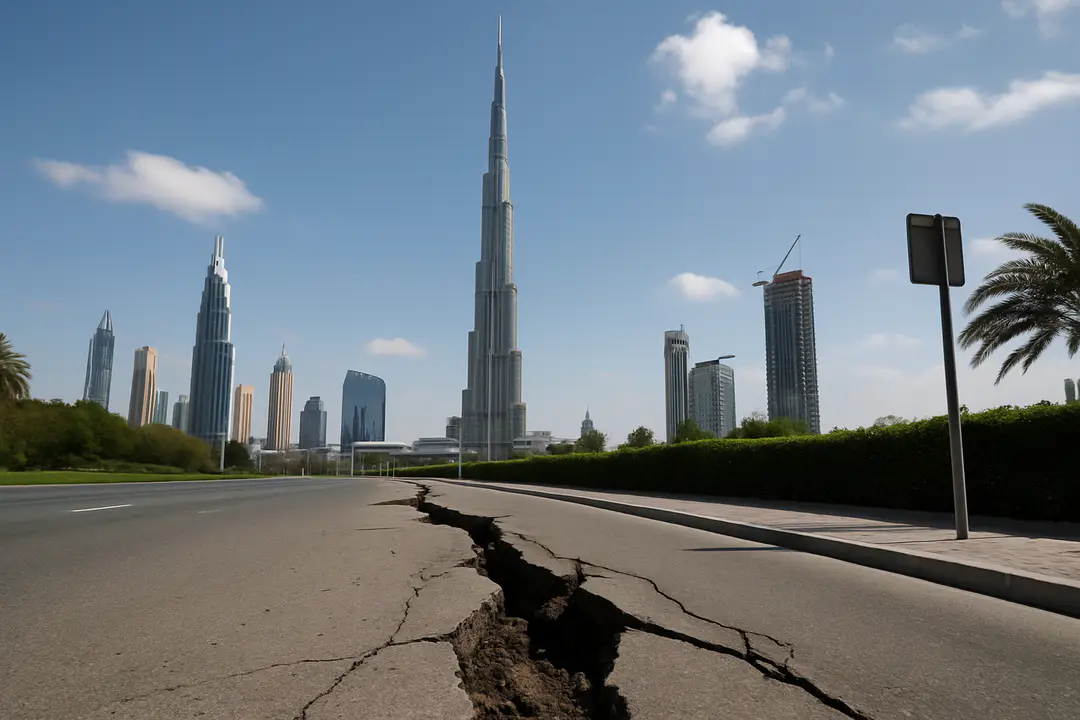
Living in a bustling city like Dubai, we often think earthquakes are a distant worry, if we think of them at all. Yet small tremors can sneak in from far-off fault lines without much fuss. One detail we miss is how these low-level shakes can still rattle our modern high-rises. Could those subtle shakes pose a risk to both infrastructure and personal safety under our feet?
By learning how distant quakes translate into local vibrations, we gain more control over our safety plans. Understanding wave travel and local soil response helps you make smarter decisions in home prep and office plans. This knowledge can alert you to potential weak points before they turn into surprises.
Understanding Seismic Risks
Dubai sits on relatively stable ground, but that does not mean zero risk. Shocks from distant faults can still travel hundreds of kilometers to reach the city. We often underestimate how energy in a magnitude 5 quake can weaken older structures in our new skyline.
Seismic waves change speed and strength as they cross different soil layers. In soft sand or reclaimed land near the coast, these waves can actually grow stronger. Even small tremors can feel louder in these zones than they do in solid rock.
Mapping these risk zones helps urban planners assign proper building codes. Engineers use data from instruments placed around Dubai and in neighboring regions. This network tracks wave patterns and predicts how future tremors might behave.
For residents, simple steps can make a difference. Check your area’s seismic hazard map online, and note if you live or work on reclaimed land. A quick search for “Dubai seismic zones” will show you the levels of risk near your home.
Keeping an eye on local geology, even in a low-risk city, makes you part of the safety solution. It gives you context for those rare tremors and helps you stay aware of possible weak spots in buildings or infrastructure.
How Alerts Work
When an earthquake occurs, seconds count. The National Center of Meteorology and Seismology (NCMS) issues official alerts in the UAE. These alerts go out via SMS, email, and smartphone apps. You can also follow NCMS social channels to get real-time updates.
Behind the scenes, seismic stations pick up ground motion and send immediate data to a central system. That system calculates the quake’s location and magnitude. Then it sends alerts within moments to thousands of subscribers.
Sometimes these systems can glitch, much like when your screen suddenly fades to black with no visible issue. You might read about similar hiccups in discussions on random screen blackouts, but in earthquake systems, redundancy keeps critical warnings alive.
To ensure you don’t miss a notice, register with multiple services. Sign up for NCMS alerts, download popular apps that cover the Middle East, and join local community groups on messaging apps for peer updates.
Having more than one alert source gives you a safety net. If one channel fails or delays, another may still push the warning. That extra time can make all the difference in preparing to shelter safely.
Building Safety Measures
Dubai’s building codes meet international standards for seismic safety, especially for high-rises. Engineers factor in potential ground movement and design structures to sway safely during mild to moderate tremors. Yet older buildings may not have those same protections.
Retrofitting older apartments or offices can add shear walls, reinforce columns, or install base isolators. These upgrades absorb and redirect seismic energy. With a modest investment, you can significantly reduce the risk of structural damage.
Here are key safety upgrades to consider:
- Base isolators or dampers to absorb shock
- Steel braces to reinforce walls and ceilings
- Securing heavy items like cabinets and water heaters
- Shatter-proof film for glass windows to reduce shards
- Flexible utility connections to prevent pipe breaks
After any retrofit, schedule regular inspections. A small crack or rust spot can signal the need for maintenance. Fixing these early keeps systems ready if the ground starts shaking.
Even simple changes, like fastening bookshelves to wall studs or replacing old masonry chimneys, help you sleep better when distant quakes occur. A safe home is built one step at a time.
Emergency Preparedness
Knowing what to do when the ground shakes can save lives. A simple bag with essentials lets you act quickly if you must evacuate. Almost every expert agrees: plan first, pack second, and practice often.
Assemble an earthquake kit with these items:
- One gallon of water per person per day for three days
- Non-perishable food and manual can opener
- Flashlight with extra batteries
- Basic first-aid supplies and any prescription meds
- Portable radio or a power bank for your phone
- Blanket, sturdy shoes, and a whistle for signaling
In addition to supplies, mark safe spots in each room, like under strong tables or against interior walls. Practice “drop, cover, and hold on” drills with your family or coworkers. Repeat these exercises every six months.
Set up a communication plan with friends and loved ones. Identify a meeting point outside your home and a contact person outside the UAE. This way, if local networks go down, you’ll still know everyone’s status.
Being ready doesn’t cost much in time or money, but it brings peace of mind. When you prepare today, you act with confidence during tomorrow’s surprises.
Community Response Efforts
Dubai’s resilience relies on more than just individual action. Neighborhoods often organize drills in schools and public centers. These exercises teach safe evacuation routes and how to help neighbors who may need assistance.
Volunteer teams play a key role in distributing supplies and guiding people to safe zones. In some areas, residents gather at open venues like open plazas at Bawadi Market when tremors strike. The market’s wide plazas give clear paths away from buildings.
Similarly, coastal parks such as Mamzar Beach serve as emergency assembly points. Large open fields and easy access make them ideal for families to regroup and wait for official instructions.
Community apps and social media also boost coordination. Local groups share real-time updates and check in on vulnerable neighbors. Joining these digital networks before any quake means you’ll have trusted sources of help when you need them most.
By working together, Dubai residents transform isolated tremors into a chance for community building. Strong neighborhoods support each other in the critical minutes after the ground stops moving.
Long-Term Planning
Beyond immediate response, Dubai focuses on resilience through smart urban planning. Officials update zoning maps and risk assessments every few years. They limit building heights in high-liquefaction zones and require tougher foundations in others.
Investment in technology also plays a part. Engineers use sensors to detect structural shifts and material fatigue over time. When these devices give erratic readings, maintenance teams inspect the wiring and replace faulty parts immediately.
Insurance models now factor in seismic risk, so property owners pay levies that go directly into emergency funds. These funds support rapid repair, temporary housing, and community programs after any event.
Public education campaigns run year-round. Schools teach children basic safety drills alongside fire and flood exercises. Workshops for homeowners on retrofitting and kit preparation run monthly in community centers.
Long-term safety is a shared mission. When city planners, business owners, and families each do their part, Dubai remains strong even when the earth shifts below. Looking ahead ensures the city thrives through every tremor.
Earthquakes in Dubai may be rare, but the risk is real. By understanding local seismic patterns and staying alert to official warnings, you remain one step ahead. Simple safety upgrades, a well-packed emergency kit, and clear communication plans turn uncertainty into confidence.
Community efforts, from drills in schools to volunteer groups on social apps, create a support network you can trust. Long-term measures like tougher building codes and smart sensor networks add layers of protection to our growing metropolis.
Taking these steps today means you can face tomorrow’s tremors without panic. Knowledge, preparation, and teamwork are your best partners in keeping families, homes, and careers safe. Start now, and rest easier knowing Dubai stands strong—even when the earth moves beneath us.