
Family Book Meaning: A Guide to Capturing Your Story
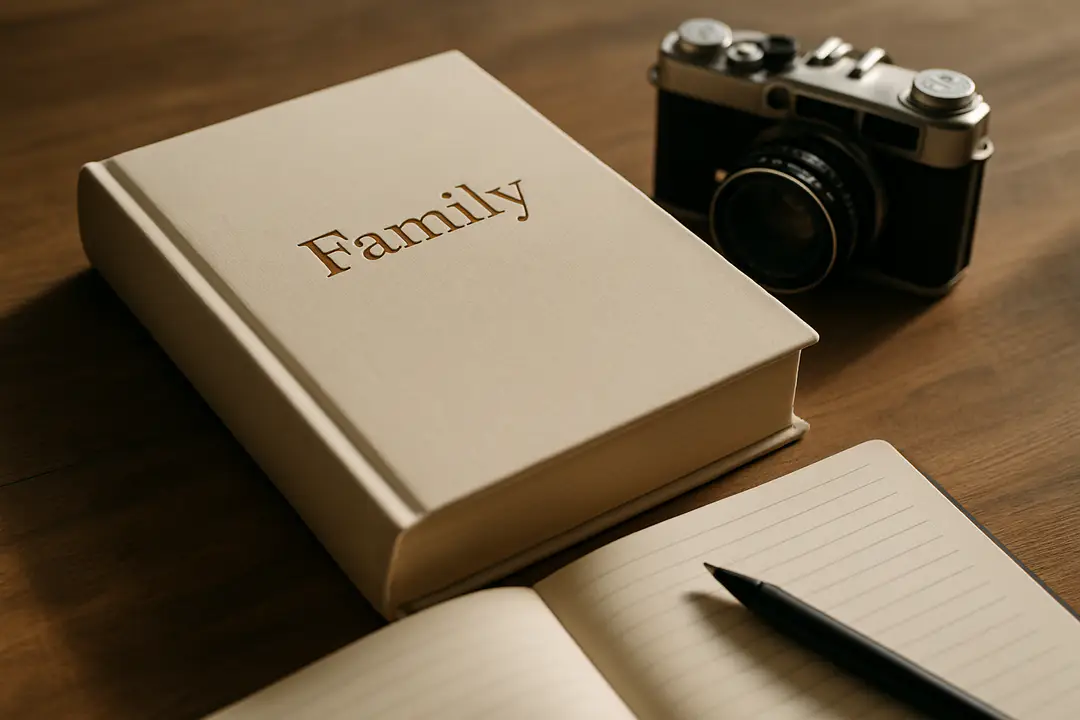
We all treasure the stories that link us from past to present. Yet one part often skipped is the formal family book that organizes these memories into a coherent history. This living record goes beyond scrapbooks or random notes to bind facts, photos, and anecdotes in one place. How can you ensure this collection stays alive for those who come after?
The family book serves as both a memory vault and a guide for future generations. By understanding the elements that make it work, you can avoid scattered notes, missing details, or fading photos. A clear approach helps you choose the right format and tools, cutting down on confusion. With the right care, your family book will strengthen bonds and honor your roots.
What Is Family Book
A family book is a dedicated collection that records a family’s lineage, milestones, and memories. It can include written stories, dates of birth, marriage certificates, photographs, and more. Some books focus on genealogy charts, while others weave narratives around key figures and events.
These books often start with a family tree diagram and expand into personal profiles. Each profile tells a story: where someone was born, a memorable incident, or a lesson learned. Over time, these entries build a rich tapestry of who you are and where you come from.
Many people use the family book to fill gaps in their understanding of grandparents, aunts, uncles, and beyond. Having a single reference keeps everything organized. It also makes sharing easier when family members ask about a distant cousin or old family legend.
Why It Matters
Collecting and preserving your family book has emotional and practical benefits. On an emotional level, it offers a sense of identity. You can trace traits, values, and moments that shaped who you are today.
Practically speaking, a family book can support legal or medical needs. Birth and death dates help with wills, heritage claims, or health histories. Doctors sometimes look for patterns in family health issues that explain genetic trends.
Another benefit is connection. When you share the book with younger generations, you give them a bridge to the past. Kids learn family traditions, parents pass on life lessons, and elders see their experiences honored.
It also reduces guesswork. Instead of relying on fading memories, you have clear records. This saves time and effort, since you won’t chase down rumors or face conflicting stories.
Creating Your Book
Start by gathering basic facts. List names, dates, and places for at least three generations. Keep a simple spreadsheet or notepad to track key details. This step builds a solid foundation and keeps you focused.
Next, conduct interviews with older family members. Ask open questions like “What stands out about your childhood?” or “Can you recall a family tradition that means a lot to you?” Record these sessions on your phone or notebook. Transcripts and audio add depth to the written facts.
Then choose a format. You can use a printed journal, an online blog, or a digital file. Each method has pros and cons. Printed journals feel personal, while digital files are easy to copy and update.
Finally, assemble chapters or sections. You might group by generation, by theme, or by family branch. Keep entries clear and date each one. A consistent structure helps readers follow the story without getting lost.
Digital vs Physical
When building your family book, you must decide between a physical copy and a digital version. Each choice has distinct advantages. A printed copy feels tangible and personal. A digital book is easy to share and update.
| Aspect | Physical | Digital |
|---|---|---|
| Storage | Shelf or box | Cloud or hard drive |
| Access | One copy | Multiple devices |
| Backup | Manual copies | Automatic syncing |
Digital books let you add multimedia elements like audio clips and video messages. However, technology can fail. Your screen goes black briefly or files can become corrupted. That is why checking cloud logs matters. Use services that keep revision history, like Dropbox logs, so you can restore past versions.
Physical books avoid these tech pitfalls but require safe storage from water, fire, and pests. A simple fireproof box or off-site safety deposit can protect the printed materials.
Organize Your Details
Good organization makes the family book easy to use. Start by categorizing information into clear sections. Use a table of contents and page numbers for quick reference.
- Create a family tree chart at the front.
- Group individual profiles by generation.
- Include a timeline of major events.
- Add photo pages with captions.
- Insert a glossary for unusual names or terms.
- Leave blank pages for future additions.
Color coding helps too. Assign each branch of the family tree a color, then use that hue for text or borders. This visual cue guides readers at a glance.
Keep digital files organized in clearly named folders. For example, use “Grandparents_1920-1950” or “SmithFamily_Photos.” Consistent file names and dates will save you endless guessing later.
Share & Preserve
Once your family book is ready, plan how to share it. Printed copies work well as gifts. A digital PDF can be emailed or uploaded to a private family website.
Encourage family members to add memories. You might set up a shared folder where anyone can drop new photos or notes. Regular updates keep the book alive.
Consider storing a master copy in a safe place. A community archive, local library, or online heritage site can act as a backup. You never know which copy your descendants will find decades from now.
Finally, set a schedule for reviews. Update the book every few years or after key events like a new birth or marriage. Mark the review date on a calendar so it becomes a habit.
By sharing openly and updating regularly, your family book will stay current and meaningful. It becomes a living record rather than a static artifact.
Conclusion
Building a family book takes time, but the rewards last for generations. By defining its purpose, choosing the right format, and organizing content clearly, you create a resource that informs legal needs and warms the heart. Whether you opt for a printed keepsake or a digital archive, the key is consistency and care. Regular updates, thoughtful preservation, and open sharing ensure the story remains vibrant. Start small with a single photo or memory today. Each detail you record brings your family’s journey to life and connects you more deeply to your past and future.